The Art of Watch Face Design: Behind the Scenes at Zadigg
Every watch face in the Zadigg collection begins as a study of the original timepiece. Our design process is meticulous, sometimes obsessive, and always guided by a single principle: the digital face should honor the spirit of the original while taking advantage of the digital medium. Here is a look behind the curtain at how we create our faces.
Research Phase
Before a single pixel is placed, our team spends hours studying the original watch. We examine high-resolution photographs, official brand materials, and whenever possible, the physical watches themselves. Every detail is cataloged — the exact curvature of the hands, the precise font of the numerals, the specific shade of each color, the way light plays across textured surfaces. This research phase typically takes two to three days per face.
Reference Material
We build a comprehensive reference board for each face, containing close-up photographs of every dial element, the bezel, the case, and the movement. We note measurements, proportions, and spatial relationships. How far is the minute track from the hour markers? What is the exact thickness of the hands relative to the dial diameter? These proportional relationships are what make a face feel "right" — get them wrong, and even a casual observer senses something is off.
Digital Reconstruction
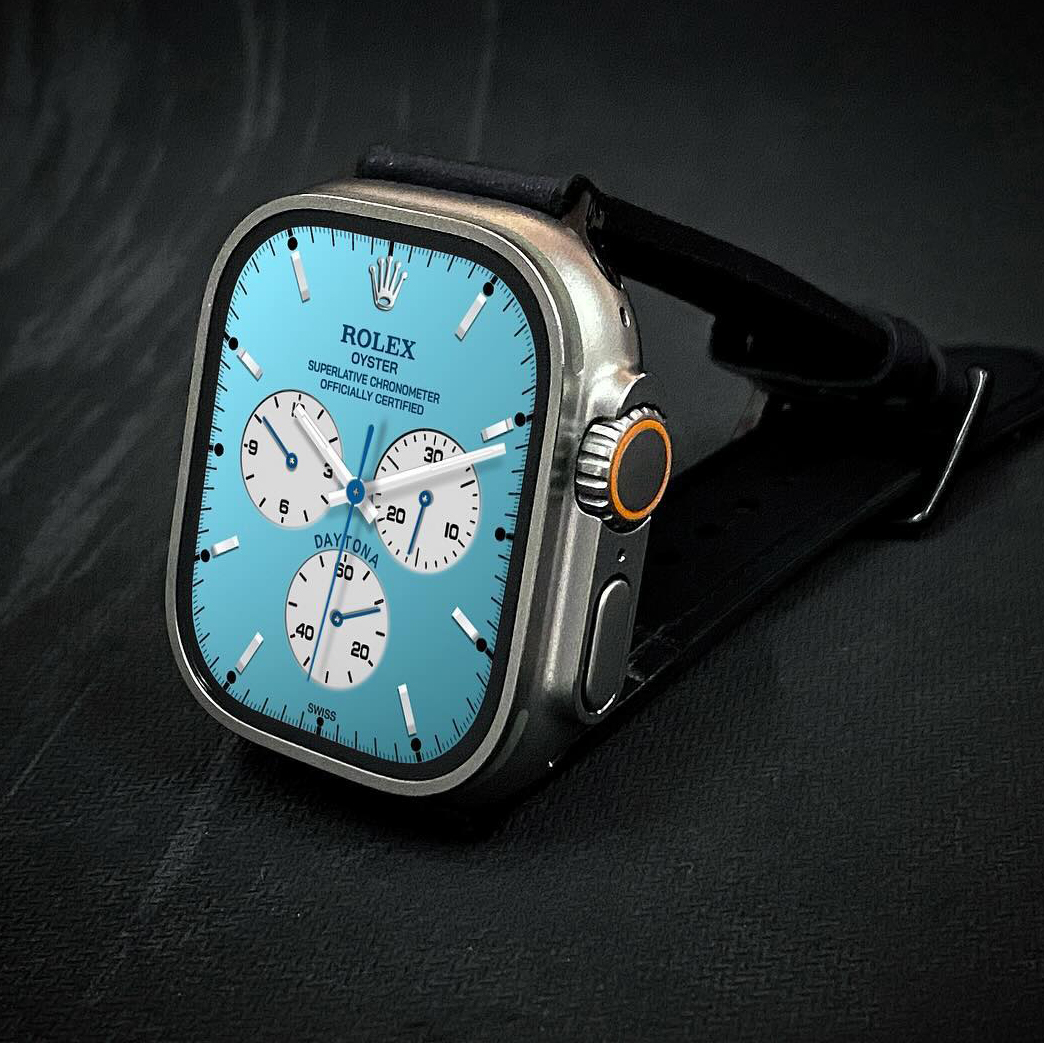
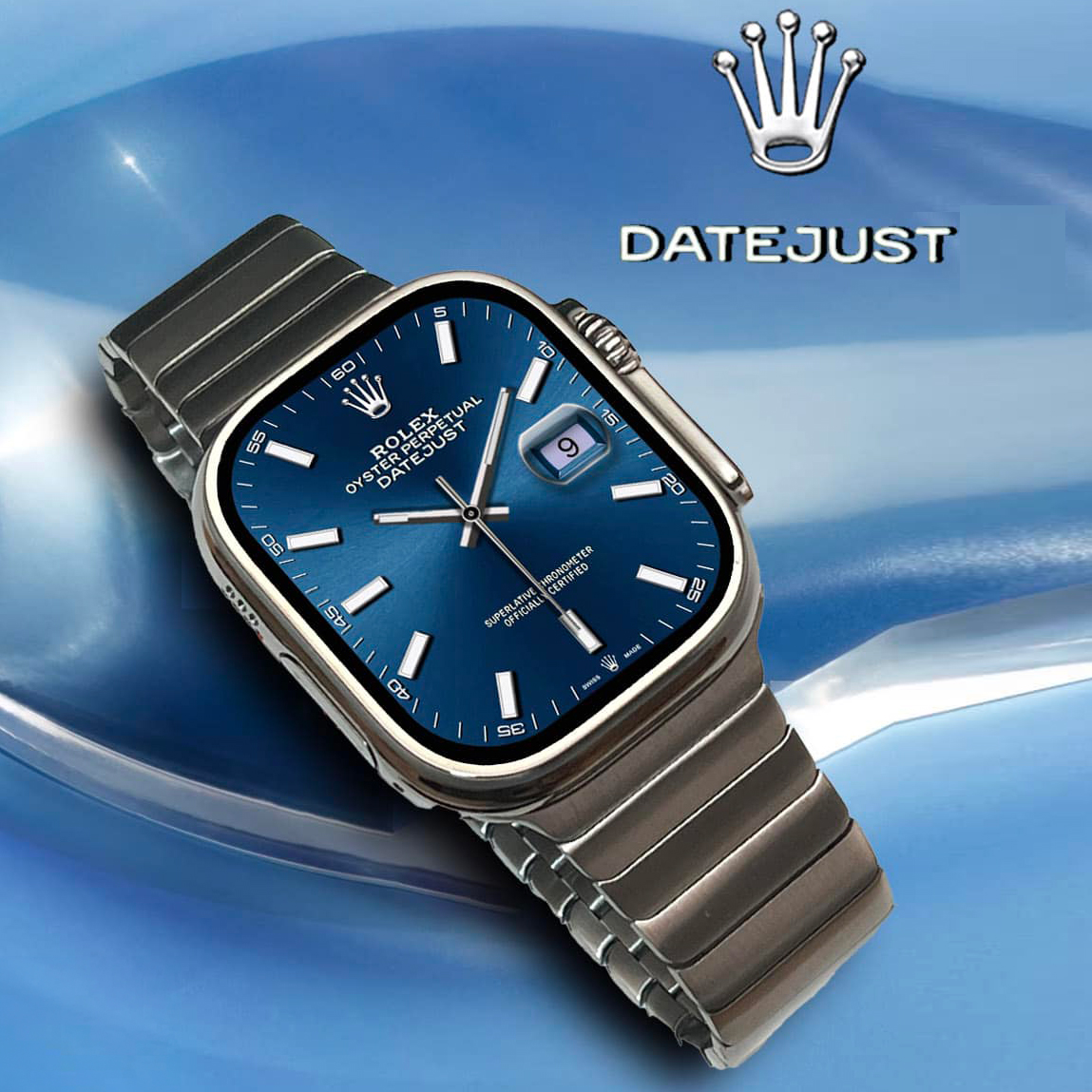
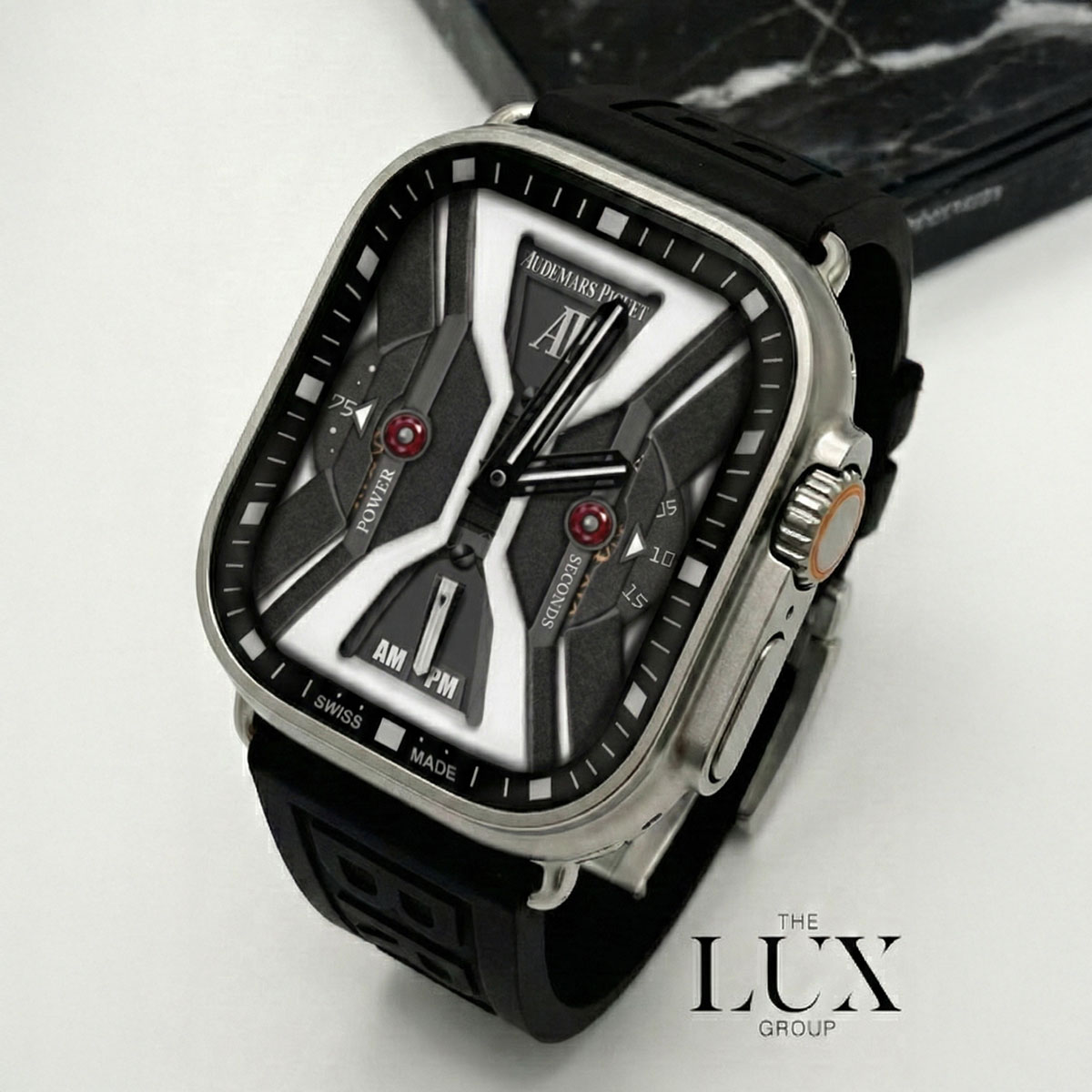
Using professional design software, we reconstruct the watch face element by element. The process starts with the dial base — the background color and texture. For a Rolex, this might involve recreating the characteristic sunburst finish. For an Audemars Piguet Royal Oak, it means building the tapisserie pattern square by square. Each texture is a digital painting that must look convincing at the Apple Watch's pixel density.
Hands and Markers
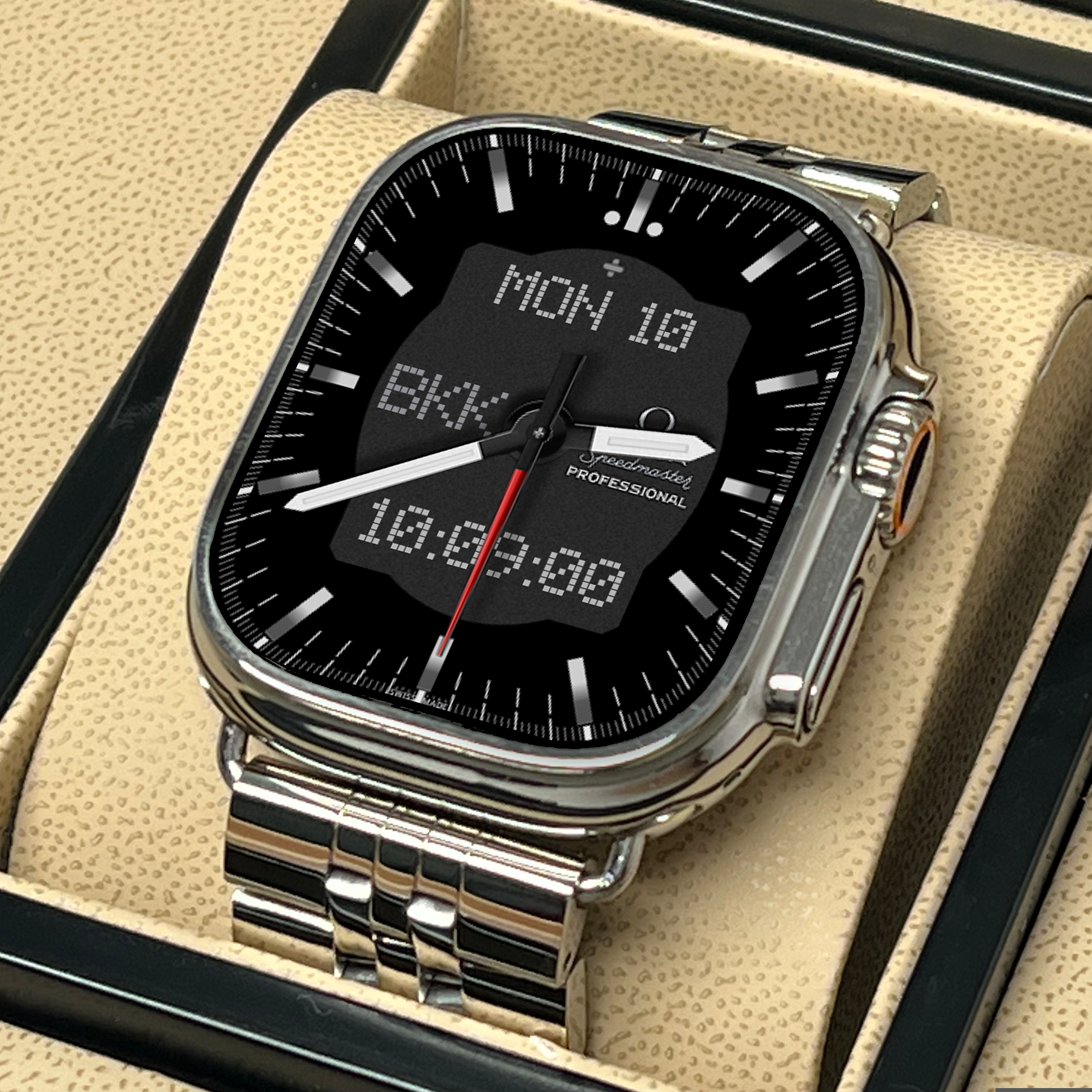
The hands are surprisingly complex to get right. A Rolex Mercedes hand, for example, has specific proportions, edge profiles, and luminous fill patterns. We model each hand with subtle gradients that simulate polished and brushed metal surfaces. Hour markers receive similar attention — applied markers get subtle shadows and reflections to create the impression of three-dimensional objects on the dial.
Typography
Many luxury watches use proprietary fonts for their numerals and text. We either source or recreate these typefaces to ensure the text elements match the original. The spacing between characters, the weight of the strokes, and the placement on the dial are all carefully matched to reference photographs.
Testing and Refinement
Once the initial design is complete, we load it onto actual Apple Watch devices for testing. Designs that look perfect on a computer monitor can reveal issues on the watch — colors may appear differently, fine details may be too small to read, and proportions may need adjustment for the curved display. We typically go through three to five revision cycles before a face is approved for release.
Size Optimization
Each face is then optimized for different Apple Watch sizes. A face designed for the 49mm Ultra cannot simply be scaled down for the 41mm model — elements need to be resized, repositioned, and sometimes simplified to maintain legibility on the smaller screen. This is one of the most time-consuming parts of the process but absolutely essential for quality.
Quality Standards
We hold our faces to a simple standard: if a watch enthusiast cannot identify the inspiration within seconds, we have succeeded in capturing the essence of the design. If they notice inaccuracies in the details, we go back and fix them. Our goal is not perfection — that is impossible in a digital medium — but rather faithful interpretation that respects the original.
The result is a collection of faces that we are genuinely proud of. Every face in the Zadigg store represents dozens of hours of careful, passionate work by people who love watches.